
Indian Rupee Hits Record Low as Oil Prices Rise


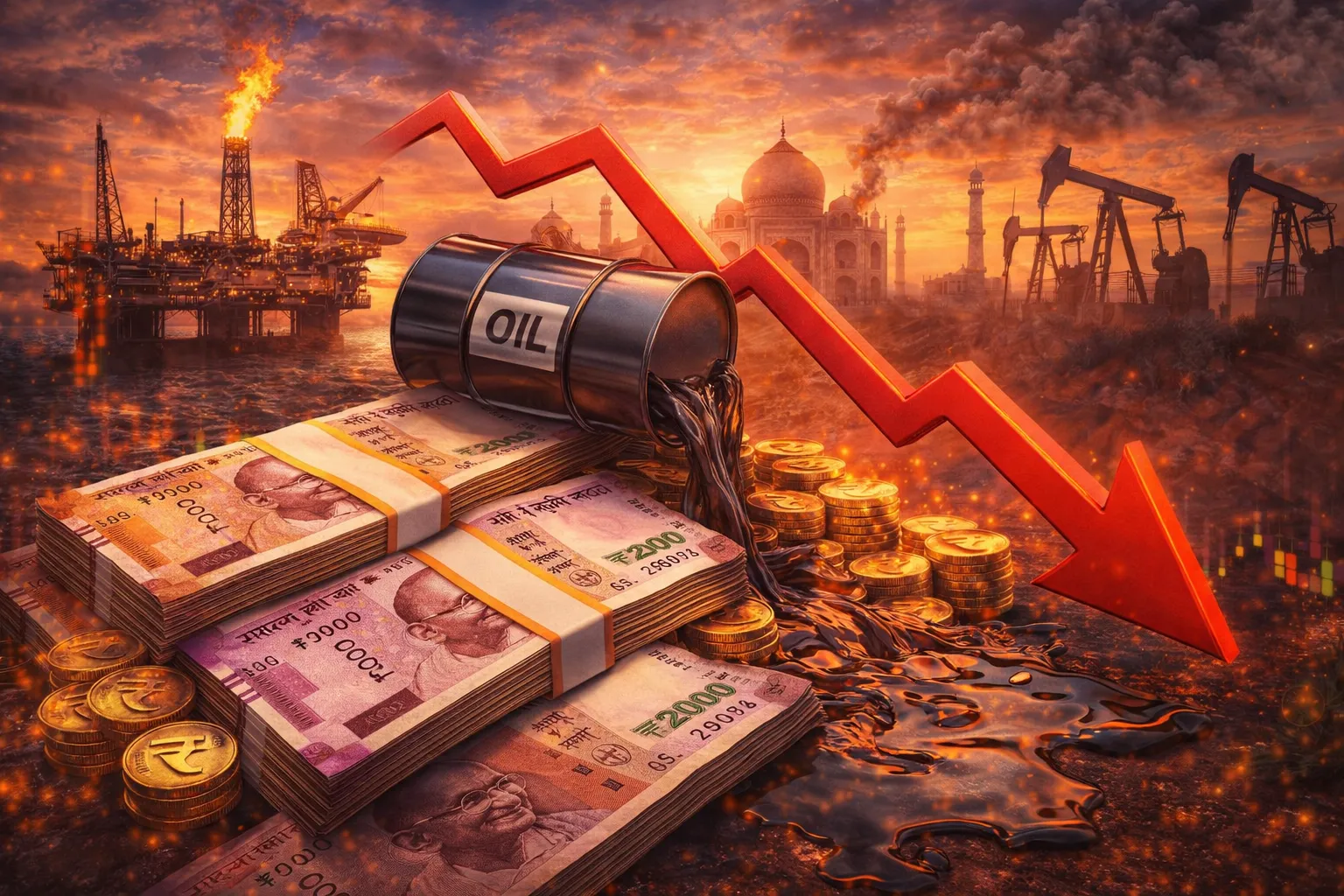
On March 19, 2026, the Indian Rupee hit a new low as oil prices continued to rise and the dollar's value strengthened. The tensions and monetary tightening threaten India’s economic stability.
Rupee's New Drop: India Faces Currency Pressure Storm
The value of the Indian Rupee has reached a new record low, mainly due to international oil prices and the strengthening of the US dollar. As oil prices continue to climb, reaching $110 per barrel, India—one of the largest oil-importing countries—suffers from rising oil costs and a widening trade deficit. Additionally, the Federal Reserve's hawkish policies, which are strengthening the US dollar, are accelerating capital outflows from emerging markets and driving currency volatility across Asia.
Recent market trends indicate the Rupee hitting new lows, and this situation is likely to worsen if current conditions persist.
Why This Matters?
The rupee's decline signals deeper structural problems in emerging markets. External factors such as rising oil prices and a strong dollar can create instability in these markets. These dynamics underscore the vulnerability of emerging economies to global trends. Here are the most important factors:
· Oil Prices Have a Direct Impact on the Rupee: India has to import more than 80% of its oil requirements, and therefore, the rupee becomes vulnerable when oil prices rise. With crude oil rising above $110, the rupee starts weakening as the dollar becomes more sought after.
· Strong US dollar exerts pressure: The strong US dollar, driven by the Federal Reserve's hawkish stance, reduces the appeal of emerging-market assets. Investors prefer allocating their funds to the US, leading to an outflow from India and accelerating the rupee's decline.
· The geopolitical situation is causing increased volatility: The escalating conflict between Middle Eastern countries is affecting oil supply. This, in turn, is directly affecting oil-importing countries like India, as the rupee's value is fluctuating rapidly. Overall, these developments highlight the broad economic impact of the ongoing geopolitical tensions.
· There is a risk associated with the trade deficit: Oil prices are rising, significantly contributing to India’s trade deficit. This increases India’s import costs without a corresponding rise in exports. As a result, it puts additional pressure on the rupee and affects economic stability.
· Capital outflows impact currency stability: Foreign investors are withdrawing funds from the Indian stock market and bonds due to the uncertain global environment. They are earning higher returns elsewhere. This reduces dollar inflows into India, weakening the rupee.
· Inflation and policy risks are increasing: Rising oil prices directly influence the inflation rate. This may force the Reserve Bank of India to choose between economic growth and stability. Such a situation could further slow down economic growth.
A Currency at a Crossroads
India's currency situation is now dependent on various global factors beyond its control. For example, if oil prices remain high and the dollar continues to appreciate, the rupee may remain under pressure for a longer period.