

India FX Reserves Fall, Calls for Soft-Rupee Policy Rise


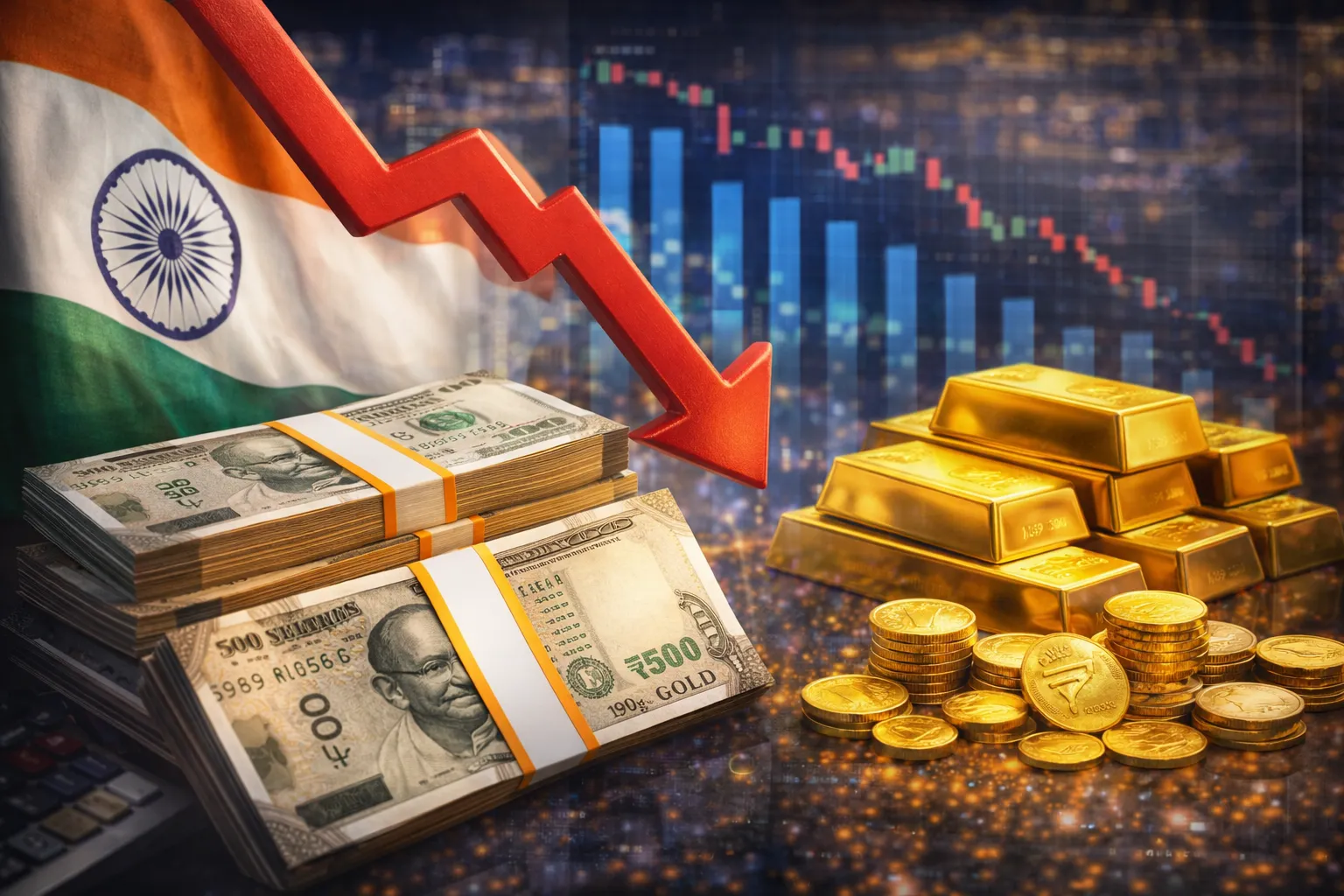
India’s declining FX Reserves on Wednesday, March 18, 2026, prompted calls for a softer policy on the Rupee, as heavy intervention by the Central Bank puts pressure on the Reserves amid rising Oil Prices and Outflows.
India Faces Pressure as FX Buffer Shrinks Rapidly
India’s foreign exchange reserves are under pressure as the country’s central bank continues to strengthen the rupee amid global volatility. Recent data show that the country’s foreign exchange reserves are shrinking rapidly, largely due to dollar sales and valuation losses. Experts in the field are concerned that the country may be losing foreign exchange reserves as it continues to defend the rupee, which may force it to adopt a flexible exchange rate.
Oil prices are rising, and the country is experiencing increased capital outflows, further straining its foreign exchange reserves.
Why does this matter?
A decline in FX reserves reduces the country's capacity to support its currency, increasing the risks of currency volatility, inflation, and balance-of-payments disequilibrium, particularly in oil-importing economies like India amid rising global uncertainty, thereby threatening economic stability and growth. Here are key points:
· FX Reserves Declining Quickly: India's reserves have been falling quickly over the last few weeks, due to actions by the central bank. This is preventing India from effectively handling sudden capital outflows and currency value fluctuations.
· Import Cover Falling: Reserves cover fewer months of imports, at their lowest levels in years, suggesting external stability is declining. The concern with low cover is that it implies the country cannot sustain imports if conditions in the global arena deteriorate.
· Heavy RBI Intervention: The Reserve Bank of India is selling dollars to stabilize the rupee, thereby accelerating the depletion of reserves. Excessive intervention by the Reserve Bank of India may deplete reserves.
· Oil Prices Driving Pressure: Soaring crude prices are adding to the burden of higher imports, widening the trade deficit, and putting further pressure on the rupee. India, being a large importer of crude oil, is particularly vulnerable to the sustained pressure of higher energy prices.
· Capital Outflows Heighten Risks: Foreign investors' exit will affect capital flows into the country. This will further put pressure on the currency and reserves. If these outflows persist, it could be an early sign of shifting global risk perceptions.
· Debate Over Policy Strategy: Economists suggest adopting a more flexible exchange rate strategy. The value of the Rupee should be allowed to depreciate naturally rather than being defended. This would help save foreign exchange reserves and improve export competitiveness.
India Balances Currency Stability and Reserve Sustainability
India is in a critical policy situation as falling reserves are testing the sustainability of their ability to support the rupee. A move towards a more flexible exchange rate policy may help bolster reserves and adapt to global economic and geopolitical forces.