
EU Says It’s a Partner, Not the Problem


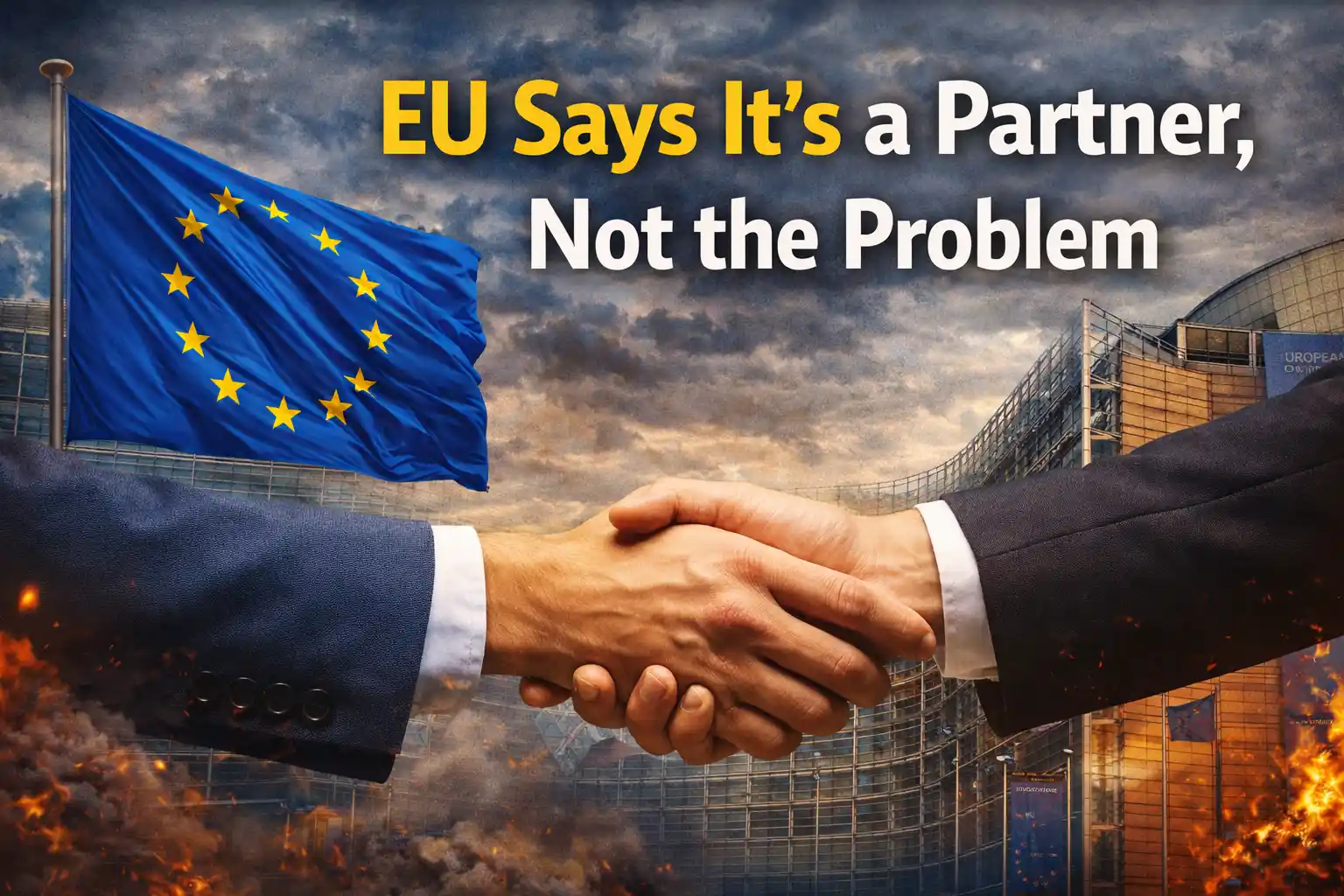
Thursday, March 12th, marked a day when the European Union sought to clarify its stance as a trading partner after a wide-ranging investigation by the United States into global manufacturing overcapacity. European officials argued that instead of being a problem for global trade, the European Union should be seen as a strategic partner. Washington is expanding trade investigations that could pave the way for new tariffs.
Transatlantic Trade Tensions Rise Over U.S. Capacity Probe
The U.S. investigation into overcapacity in 16 major economies, including the EU, China, Japan, and India, is under investigation under Section 301 of the U.S. Trade Act. The U.S. is investigating whether excess production capacity in manufacturing industries is unfairly impacting the U.S. industry.
EU officials claim that the EU's industrial base structure is driven by markets, not subsidies. Therefore, the EU is a supporter of balanced trade and not a contributor to overcapacity. It is the rising tensions between the U.S. and its major trade partners over industrial policies and trade protection, as the U.S. seeks to rebuild its leverage on trade tariffs following a series of court rulings that weakened its existing programs.
Why This Matters?
The trans-Atlantic trade relationship may face fresh strain as the United States increases its investigation of global manufacturing capacity.
If it leads to tariffs as a result of the investigation, it may have a globally significant impact on trade relations.
· Tariff Risk Could Increase: The investigation could lead to the imposition of new tariffs on imports if the US determines that the capacity of industries in other countries is affecting its industries.
· Major Economies Under Scrutiny: The proposed countries include the EU, China, Japan, India, and the economies of Asia.
· Supply Chains Could Shift: The tariffs that could result from the probe might prompt companies to move their production and alter their supply chains.
· Trade Negotiations May Intensify: The case, analysts say, will give the U.S. greater negotiating power in trade negotiations, compelling partners to address their concerns over capacity and subsidies.
· EU-US Economic Relationship at Risk: The two sides have one of the biggest trading relationships in the world; any escalation could have significant consequences.
· Global Industrial Policy Debate: It is part of a wider struggle over subsidies, manufacturing power, and the balance between free trade and economic security.
Trade Tensions Test Transatlantic Partnership
The EU’s reaction is a reflection of the fine balance between competition and cooperation in international trade. As the U.S. proceeds with its investigation, it may determine future tariff strategies and trade relations between the two largest economies in the world.