
EU Leaders Seek Solutions to Energy Price Surge


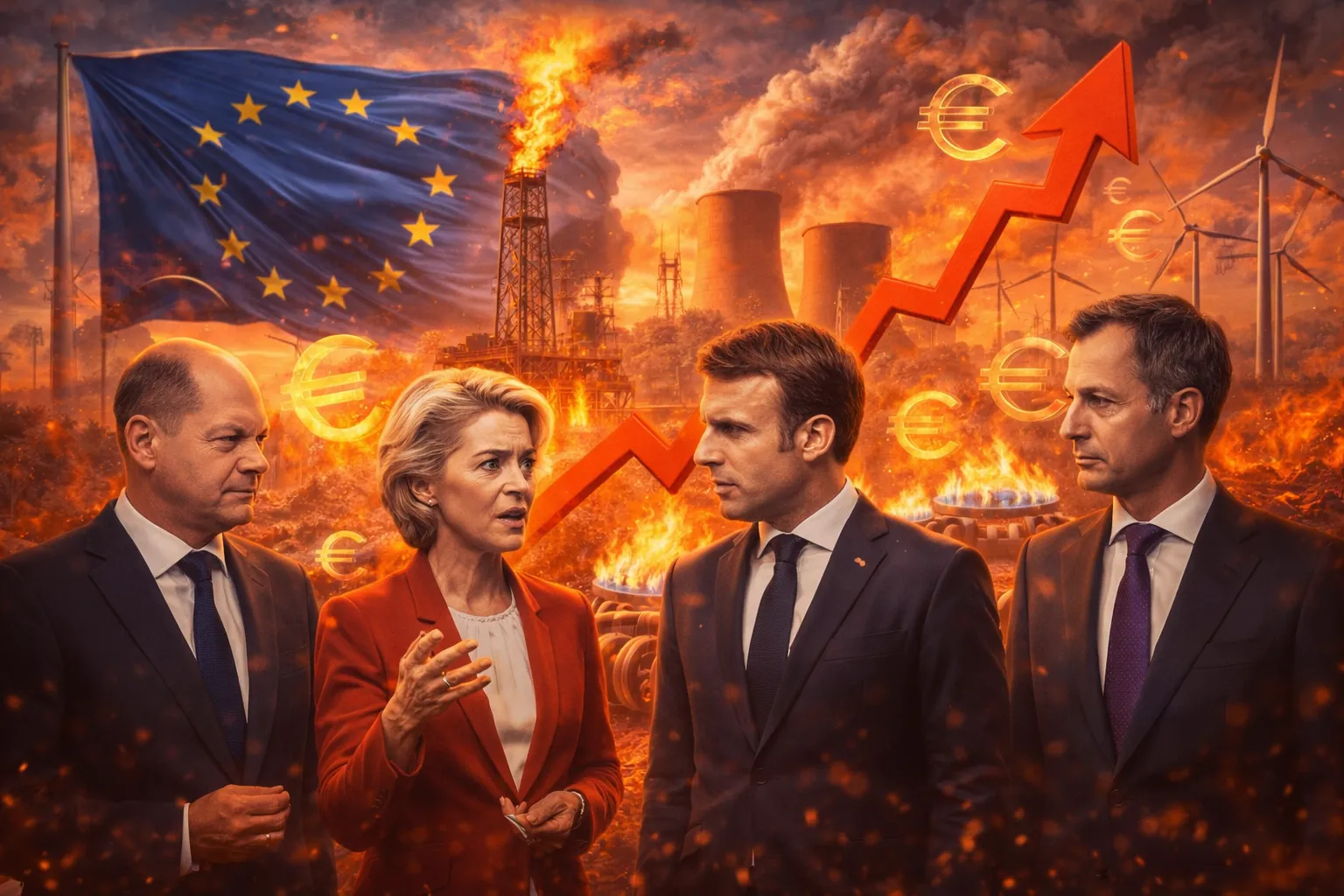
EU leaders are in a rush to resolve the energy price hike following the war in Iran. On March 19, 2026, this was made possible by supply disruptions and rising oil and gas prices.
Europe Faces Energy Shock as Crisis Deepens
European Union leaders are currently trying to find short-term solutions to the sudden hike in energy prices resulting from the escalating war in Iran. The war has disrupted key trade routes, especially through the Strait of Hormuz. The Strait of Hormuz is considered one of the world's most important oil and gas trade routes. The war has disrupted this key route.
Consequently, European gas prices have escalated dramatically. Gas prices have risen by over 60% since the end of February. On the other hand, oil prices remain unstable. The governments of European countries are currently tasked with protecting their industries and citizens from escalating gas prices. The crisis has highlighted Europe's vulnerability to global trade shocks.
Why This Matters?
The rising energy costs reveal the fundamental weaknesses of the European energy system, where any political upheaval can easily trigger inflation, threaten industries, and strain the balance among energy security, economic stability, and climate policies. Here are six points:
· Energy prices are rising rapidly: Gas prices in Europe are going up due to a supply shortage caused by the war in Iran. The closure of major routes, such as the Strait of Hormuz, is reducing global energy supply, driving prices higher.
· Supply Chains Face Major Disruptions: The Strait of Hormuz accounts for 20% of the world's oil and LNG trade. Therefore, it is critically important to the global energy markets. Disruptions in this area have a direct and immediate impact on fuel availability in Europe.
· Short-term solutions have limited effects: EU leaders have discussed possible short-term solutions, such as tax reductions, subsidies, and changes to carbon markets. However, these have limited effects and may trigger economic imbalances in the EU.
· There are divisions within the EU: There are differences of opinion among the member states on the way forward, especially regarding changes to the emission policy. Some member states want the emissions policy relaxed, while others oppose it.
· Inflation and economic risks are rising: There is a direct impact of energy price increases on the inflation rates of the member states. This is affecting the European economy and may complicate policymakers' decisions.
· Long-term energy strategy faces challenges: The crisis is forcing Europe to reevaluate its transition plan toward cleaner energy sources. Although decarbonization remains crucial, the need to secure energy supplies is leading policymakers to reconsider diversifying sources and increasing domestic production.
A Critical Moment for Europe’s Energy Future
Europe faces a crucial point regarding its energy policy. While temporary measures might address the current crisis, a more robust and independent energy strategy is necessary to help Europe navigate the challenges in a globalized world.