
South Africa GDP Shrinks 0.2 Percent in Q2 as U.S.-Iran War Ripples Choke Export Sectors



September 8, 2026 – South Africa's economy officially stalled in the second quarter of 2026, recording a 0.2 percent contraction in its gross domestic product.
The sudden decline abruptly ends a resilient run of six consecutive quarters of economic growth for the emerging market nation.
Institutional economists were largely unsurprised by the pullback, citing the severe global supply chain disruptions triggered by the United States' ongoing war with Iran.
As this intense geopolitical friction continues to filter through the broader global economy, South Africa's critical export-driven and industrial sectors are bearing the brunt of the macroeconomic slowdown.
Mining and Manufacturing Collapse
The primary fundamental headwind driving this quarterly contraction stems from severe weakness across the nation's core industrial resources.
Statistics South Africa reported that the mining and quarrying industry plunged by a staggering 3.0 percent during the second quarter.
This massive collapse was heavily concentrated in the production of platinum group metals, manganese ore, gold, and iron ore.
Compounding the industrial weakness, the national manufacturing sector recorded a steep 1.8 percent contraction, with seven of its ten distinct divisions reporting negative output.
Furthermore, as global macroeconomic demand softened amid the Middle East conflict, the domestic trade, catering, and accommodation sectors suffered a severe 1.9 percent decline.
Financial Resilience and Forward Forecasts
Despite the heavy industrial drag weighing down the broader economy, certain strategic pockets managed to eke out structural gains.
The finance, real estate, and business services industry expanded by 0.3 percent, providing a crucial stabilization layer for institutional capital.
Simultaneously, the transport, storage, and communication sector registered a 0.9 percent increase, driven heavily by resilient land transport activity.
Looking ahead, macroeconomic trading desks maintain a cautiously optimistic outlook for the broader calendar year despite the immediate geopolitical volatility.
While year-on-year growth for the quarter reached just 0.9 percent, widely missing institutional forecasts of 1.2 percent, analysts still project a full-year GDP expansion of 1.2 percent as global supply chains slowly adapt to the conflict.
Read more
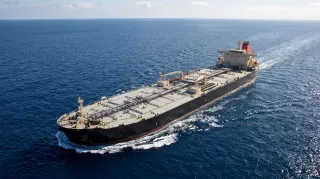 Brent Crude Climbs to 96 USD as Escalating U.S.-Iran Tensions Threaten Maritime Chokepoints
September 4, 2026 – Global crude benchmarks violently reversed their late-summer slump this week, with Brent crude briefly piercing the 96 USD per barrel threshold.The aggressive rally is entirely driven by a massive injection of geopolitic…
Donia Saad•04 September Industrial Demand Surge: Platinum Futures Advance on Clean Energy and Auto Catalysts
August 14, 2026 –Platinum traded at $985.50 USD per troy ounce on US commodity exchanges today, reflecting sustained industrial demand and tight global physical supplies. Commodity traders are balancing automotive manufacturing demand again…
Donia Saad•14 August Platinum Prices Hold Above $1,634 as Industrial Demand Supports the Market
July 15, 2026 – Platinum prices remained firm on July 15, with spot platinum trading at around $1,634 per ounce. The Platinum continued to find support from steady industrial demand and ongoing concerns about global supply, while investors…
Donia Saad•15 July Aluminum Falls to One-Month Low on Iran Tensions, Rate Outlook
June 10, 2026 — Prices of aluminum fell to their lowest level in a month, amid fresh tension in the Middle East region and the prospect of higher interest rates in the United States for an extended period of time. This drop is indicative o…
UA Finance•10 June OECD Cuts Global Growth Outlook Amid Iran Conflict Risks
June 3, 2026 — The OECD has revised its global economic outlook downward, warning that continued geopolitical tensions—particularly related to the conflict involving Iran—are weighing on global growth and increasing uncertainty for the wor…
UA Finance•03 June Stagflation Risks Rise as Iran War Drags On
 On April 30, 2026, stagflation risks are deepening as the Iran war enters its third month, with energy disruptions amplifying inflation and slowing global growth. A Costly Conflict Reshapes the Economic Outlook Stagflation concerns are in…
UA Finance•30 April Iran War Oil Shock Rivals Historic Disruptions
 April 22, 2026—The Iran war oil shock is shaking global energy markets, triggering a supply disruption that rivals some of the most severe crises in modern history. Prices are climbing as flows tighten. Iran War Oil Shock Tests Global Ene…
UA Finance•22 April Iran War Disrupts Global Growth Outlook
On Wednesday, March 25, 2026, the Iran War is now affecting global growth, with surveys showing rising inflation, energy shocks, and slowing activity. Economies from Europe to the USA are facing the risk of stagflation as oil prices surge a…
UA Finance•25 March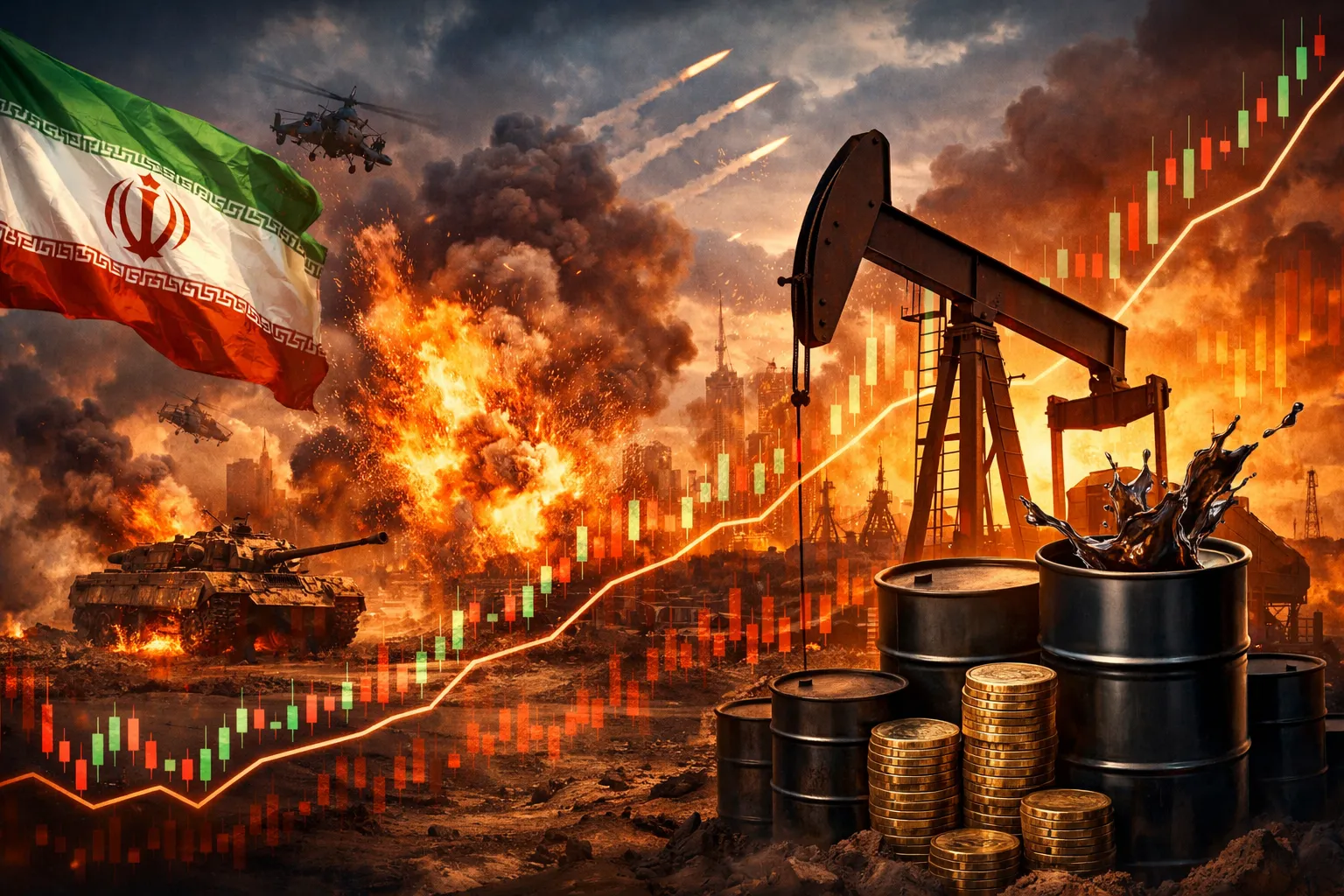 Oil Prices Surge as Iran War Shakes Global Commodity Markets
Monday, March 9, 2026 | Sources: Investing.com, Global Banking & Finance Review, Business Insider Global commodity markets experienced sharp volatility as oil prices surged while gold prices declined amid escalating tensions linked to the I…
UA Finance•10 March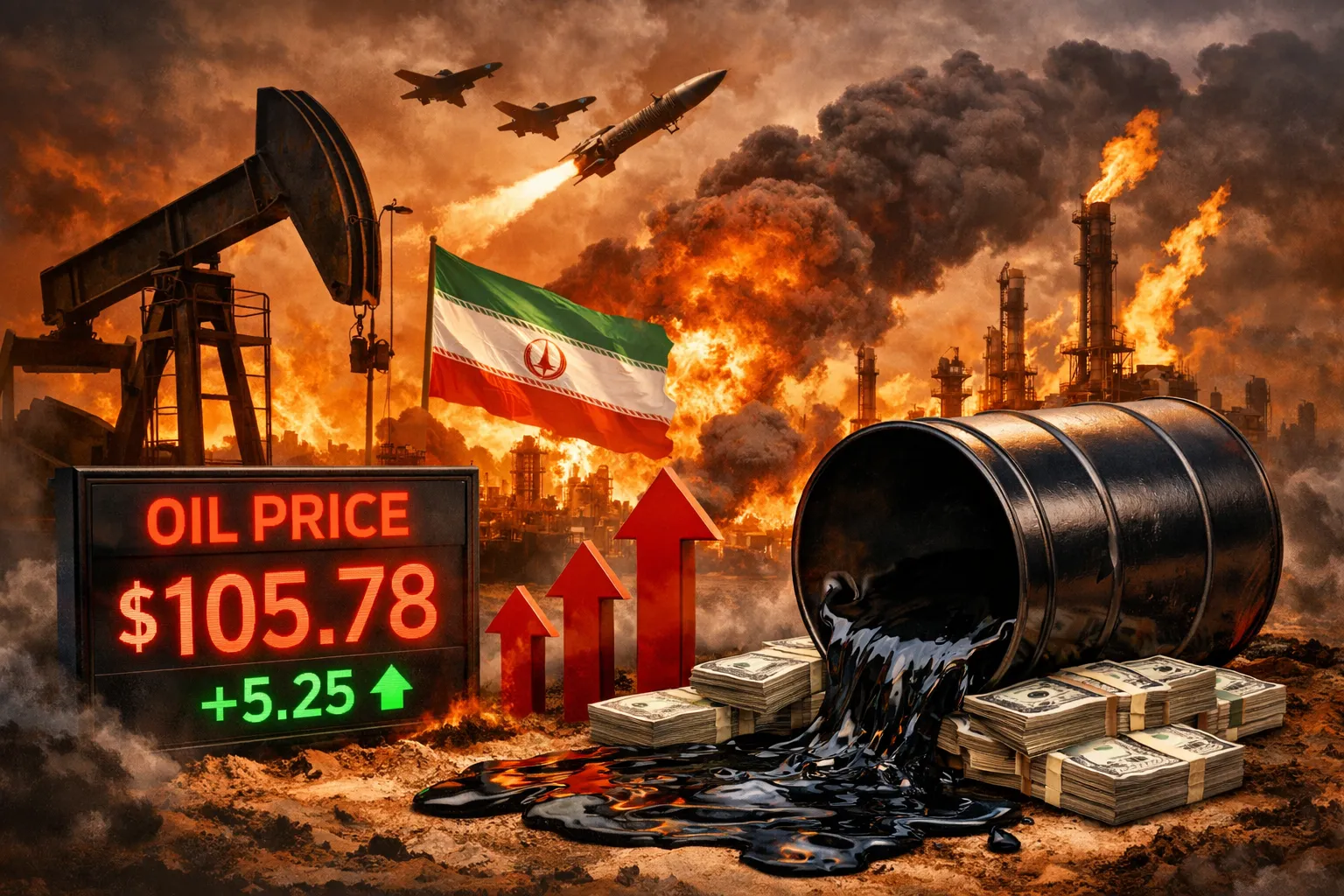 Oil Prices Surge as Iran War Shakes Global Commodity Markets
Oil and Gold React Sharply as War Disrupts Commodity Markets Global Markets Face Shock from Oil Surge and Gold Decline Monday, March 9, 2026 | Sources: Investing.com, Global Banking & Finance Review, Business Insider Global commodity market…
UA Finance•09 March