

JERA Boosts LNG Supplies Amid Middle East Energy Risks


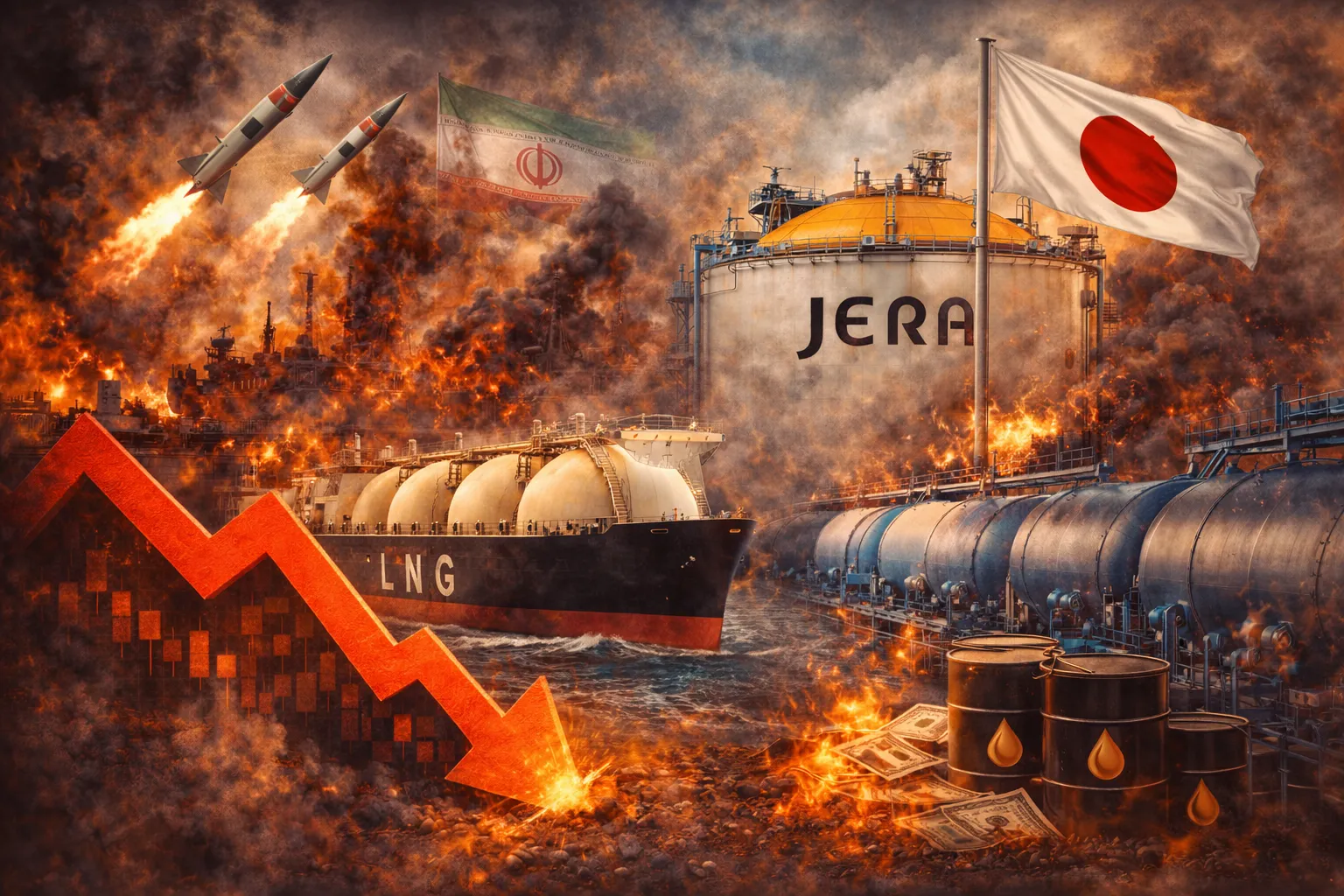
On Saturday, March 14, 2026, Japan’s largest LNG importer, JERA, requested additional liquefied natural gas supplies in an effort to hedge against Middle East tensions. It is an example of the effect of geopolitical risks on the global energy strategies of large economies.
How JERA is hedging energy risk with LNG supply actions.
Japan’s energy market is experiencing high levels of stress as the geopolitical situation in the Middle East continues to affect the flow of liquefied natural gas (LNG). In this respect, the largest LNG importer in Japan, JERA, has initiated talks with the world’s LNG producers to secure additional LNG supplies as the situation continues to deteriorate. As the situation currently stands, approximately 20% of the world’s LNG supply remains shut due to the ongoing conflict, thereby creating energy security concerns that JERA is addressing as the situation continues to deteriorate
Why This Matters to Investors and Energy Markets?
Energy security is a driver factor in economic stability and corporate profitability, particularly for countries that are heavily reliant on imports. Any disruption in the supply of LNG, an essential fuel for electricity and industry, could drive up prices and increase inflationary pressures. Any investor, particularly one interested in the response of large energy-importing countries like Japan to geopolitical risks, can gain valuable insights into how commodity prices, sectors, and sovereign risk factors move. Here are key factors:
· Geopolitical Tensions Disrupt LNG Supply: Ongoing geopolitical tensions in the Middle East have temporarily taken a significant portion of LNG export capacity offline, which has resulted in concerns about supply tightness.
· JERA Seeks Additional Global LNG Contracts: To hedge against prolonged outages, JERA has been in talks with global LNG providers to secure additional volumes above contracted levels, which will help to secure stability in Japan’s power generation demand.
· Economic Impact of Higher LNG Prices: The high prices of LNG result in higher prices for utilities and consumers, which leads to inflation. It has an impact on investors since they are concerned with the margins.
· Diversification of Energy Portfolios: JERA’s approach is part of a larger trend in which energy buyers are diversifying their portfolios and avoiding over-reliance on any particular region or supplier.
· Energy Security Strategy Extensions: Analysts observe that apart from short-term arrangements, long-term gas contracts like those involving Japanese gas producers in the Middle East are part of the country’s security strategy.
· Wider Market Implications: LNG purchase and pricing changes can also have wider market implications on commodities, currencies, and even equities in energy-related sectors due to supply fears that influence investment decisions.
Energy Security in a Shifting Geopolitical Landscape.
In conclusion, with the unfolding of 2026, characterized by an increase in geopolitical risks, the strategies for securing energy supplies by key importers such as Japan are subject to reassessment in light of risks. Investors and policymakers alike must understand the LNG markets, prices, and contracts as they influence the financial markets.