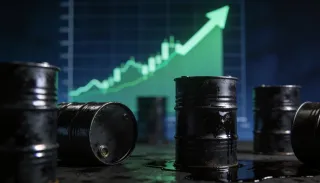
Iran Conflict Boosts U.S. Gulf Oil Prices to Highest Since 2020

By:UA Finance
March 15, 2026

Oil prices climbed as the Iran conflict cut heavy crude output in the Middle East and pushed buyers toward U.S. barrels. On March 6, Reuters reported that Mars sour crude, a key U.S. Gulf Coast grade, traded at an $11 premium to West Texas Intermediate, its highest level since April 2020, highlighting how quickly geopolitical tensions can ripple through global energy markets and potentially raise petrol prices.
Supply conditions tightened further across the market, pushing oil prices higher and lifting several heavy crude grades. As the Iran conflict disrupted flows through the Strait of Hormuz, Mars crude rose sharply from a $1.50 premium just a week earlier, while Heavy Louisiana Sweet and West Texas Sour also gained. Meanwhile, Brent crude settled at $92.69 per barrel, its highest level since October 2023, increasing concerns that higher petrol prices could follow if the disruption continues. Additional production cuts in Iraq and Kuwait added even more upward pressure.
The latest move in oil prices shows how quickly geopolitical disruption can tighten global supply and reshape market pricing. With U.S. Gulf crude hitting its highest premium since 2020, Brent climbing to its strongest level since October 2023, and key Persian Gulf flows under pressure, the Iran conflict is keeping traders focused on further supply shocks and the risk of even higher petrol prices.