

Asian currencies fell as the dollar rose following the nomination of the Federal Reserve chairman.


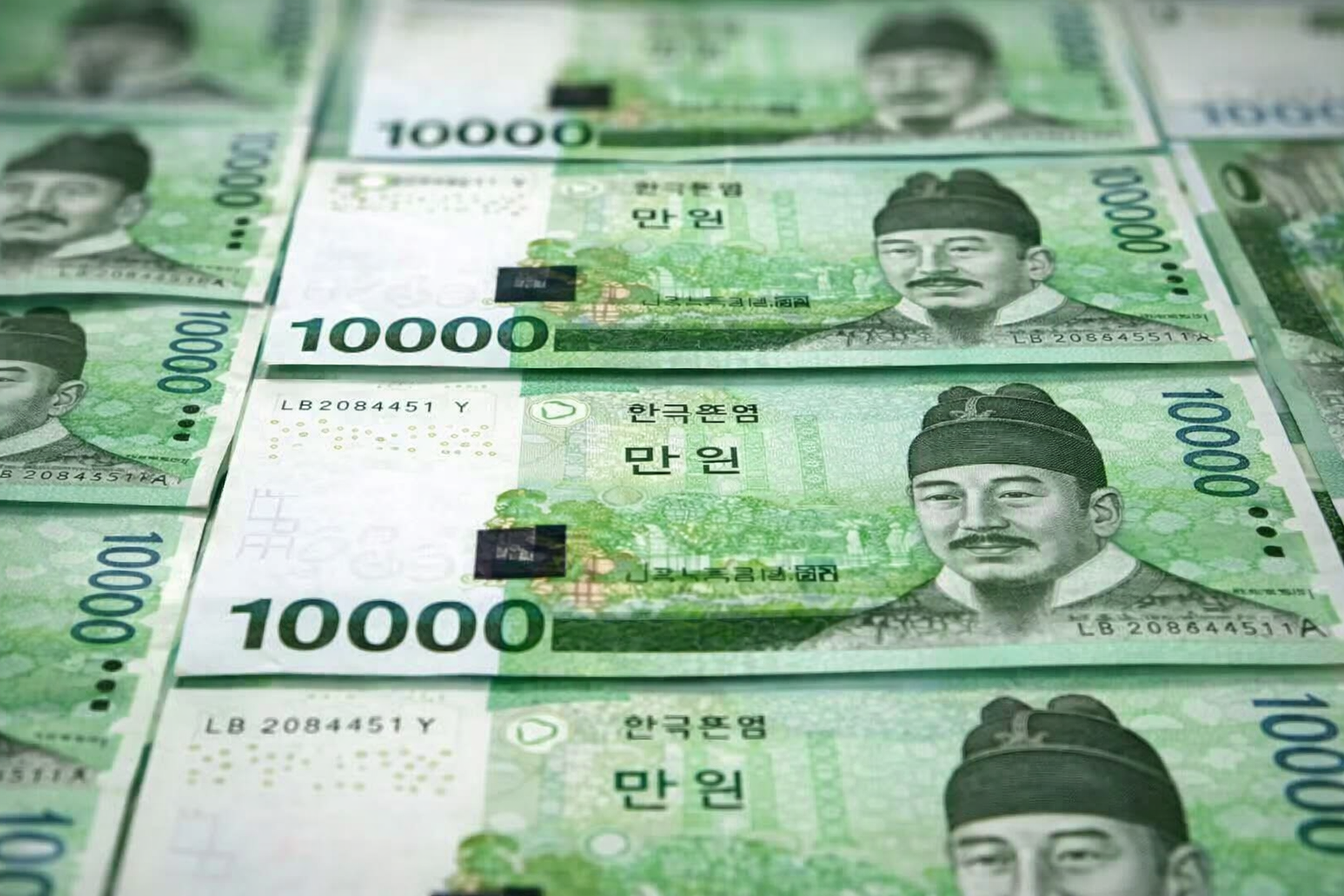
Asian currencies traded within a tight range on Monday, showing limited direction as the U.S. dollar strengthened after President Donald Trump nominated Kevin Warsh as the next chair of the Federal Reserve. Meanwhile, the Japanese yen underperformed regional peers after comments from Japan’s prime minister reduced expectations of near-term currency market intervention.
Dollar strength keeps Asian currencies range-bound
Most Asian currencies posted muted moves during Asian trading hours, as investors assessed the implications of Kevin Warsh’s nomination to succeed Jerome Powell as Federal Reserve chair, whose term ends in May.
The U.S. dollar index and dollar index futures both edged higher by around 0.1%, extending last week’s rebound from near four-year lows. Market sentiment toward the dollar improved after Warsh was seen as broadly aligned with Trump’s calls for lower interest rates, while also favoring a smaller Federal Reserve balance sheet.
Analysts noted that although Warsh could support additional rate cuts if labor market conditions weaken, his stance on reducing asset purchases suggests a more measured monetary easing path than initially expected. This outlook helped underpin the dollar and kept Asian currencies largely stable.
Yen weakens after Takaichi downplays intervention risks
The Japanese yen lagged behind other Asian currencies, with the USD/JPY pair climbing as much as 0.5% to trade above the 155 level.
The move followed remarks by Prime Minister Sanae Takaichi, who highlighted the benefits of a weaker yen for exporters during a recent campaign speech. Her comments appeared to contrast with earlier warnings from Japanese officials about excessive currency weakness, which had fueled speculation of government intervention.
Although Takaichi later softened her stance, uncertainty around Tokyo’s currency policy weighed on the yen, which had strengthened earlier in January on intervention expectations but remains near historically sensitive levels.
Mixed performance across Asian currencies ahead of key data
Elsewhere, Asian currencies showed limited reaction ahead of major economic events later in the week. The Australian dollar slipped slightly, with investors focused on the Reserve Bank of Australia’s policy decision, where a 25-basis-point rate hike is widely anticipated amid resurging inflation.
The South Korean won weakened as capital outflows from local equity markets accelerated, particularly in technology stocks. The Chinese yuan was little changed after mixed PMI readings, while the Singapore and Taiwan dollars posted modest moves.
The Indian rupee hovered near record lows, as markets reacted cautiously to the government’s fiscal 2027 budget, which outlined increased public spending to support domestic manufacturing.